%2Ffit-in%2F250x250%2Fguide_websites%2F55609%2Fimages%2F1777682565494image06.jpg&w=1920&q=100)
Gag Grouper and Red Snapper Caught in Port Canaveral FL
Grouper and Snapper Fishing in Port Canaveral - What to Expect
%2F%2Fusers%2F85137f73-7b1f-4eff-9388-5231dde3d256%2Fimages%2Fport-canaveral-grouper-red-snapper-2576.jpg&w=1920&q=75)
Guided Fishing Trip by Captain Richard Kowalski in May
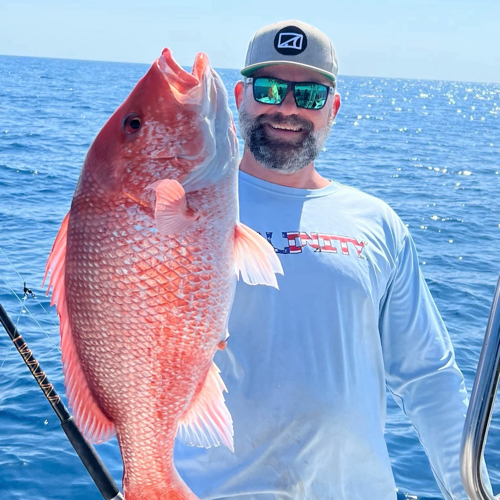
Meet your Captain Richard Kowalski
- Port Canaveral Fishing Charters | 321FISH


Summary
Join Captain Richard Kowalski of 321FISH LLC on a guided fishing trip to Port Canaveral where gag grouper and red snapper dominate the catch. This Monday in May adventure showcases the productive offshore grounds that make Florida's Atlantic coast a premier destination for serious anglers targeting these hard-fighting species.
Guided Fishing Trip with Captain Richard Kowalski - Rates & Booking
Captain Richard Kowalski of 321FISH LLC operates guided fishing trips out of Port Canaveral on Monday, May 5th. His expertise targeting grouper and snapper has earned trust among anglers seeking authentic offshore experiences. Book your spot online to secure your place on the water.
Highlights of Your Offshore Experience
Port Canaveral's offshore structure delivers consistent action for gag grouper and red snapper throughout the season. These productive grounds attract serious anglers looking for multiple hookups and quality-sized fish that test both skill and equipment.
The combination of gag grouper and red snapper in a single trip showcases the diverse bottom-fishing opportunities available here. These species require precision targeting, and Captain Kowalski's local knowledge maximizes your chances of connecting with aggressive feeders.
Local Species Insights: Gag Grouper and Red Snapper
Gag grouper are aggressive bottom-dwellers that inhabit rocky outcrops, ledges, and artificial structure in offshore waters. They respond powerfully to live bait and are known for their head-shaking runs and determined fights near structure. Port Canaveral's depth range provides ideal habitat for trophy-sized gag throughout the year. These fish use their broad body profile to wedge into rocky crevices, making hook-set timing and drag pressure critical for successful landings.
Red snapper share similar habitat preferences but offer a different fighting style characterized by deep, diving runs and consistent pressure throughout the fight. These fish school effectively in offshore waters, often resulting in fast-paced action when bites develop. The snapper's firm flesh and delicate flavor make them prized both for the fight and the table.
The Atlantic waters off Port Canaveral provide the thermocline stability and current flow that concentrate these species around structure. Seasonal temperature patterns drive feeding intensity, with spring months offering exceptional bite windows. The contrast between rocky bottom and sandy plains creates a natural funnel for baitfish, attracting both grouper and snapper to productive zones that Captain Kowalski knows intimately.
Depth, structure proximity, and current direction all factor into species abundance on any given tide cycle. Gag grouper prefer tighter structure while red snapper often suspend slightly higher in the water column, allowing for diverse rigging strategies and simultaneous targets. This flexibility makes mixed grouper-snapper trips ideal for anglers wanting variety without changing locations dramatically.
Fishing in Port Canaveral: Red Snapper
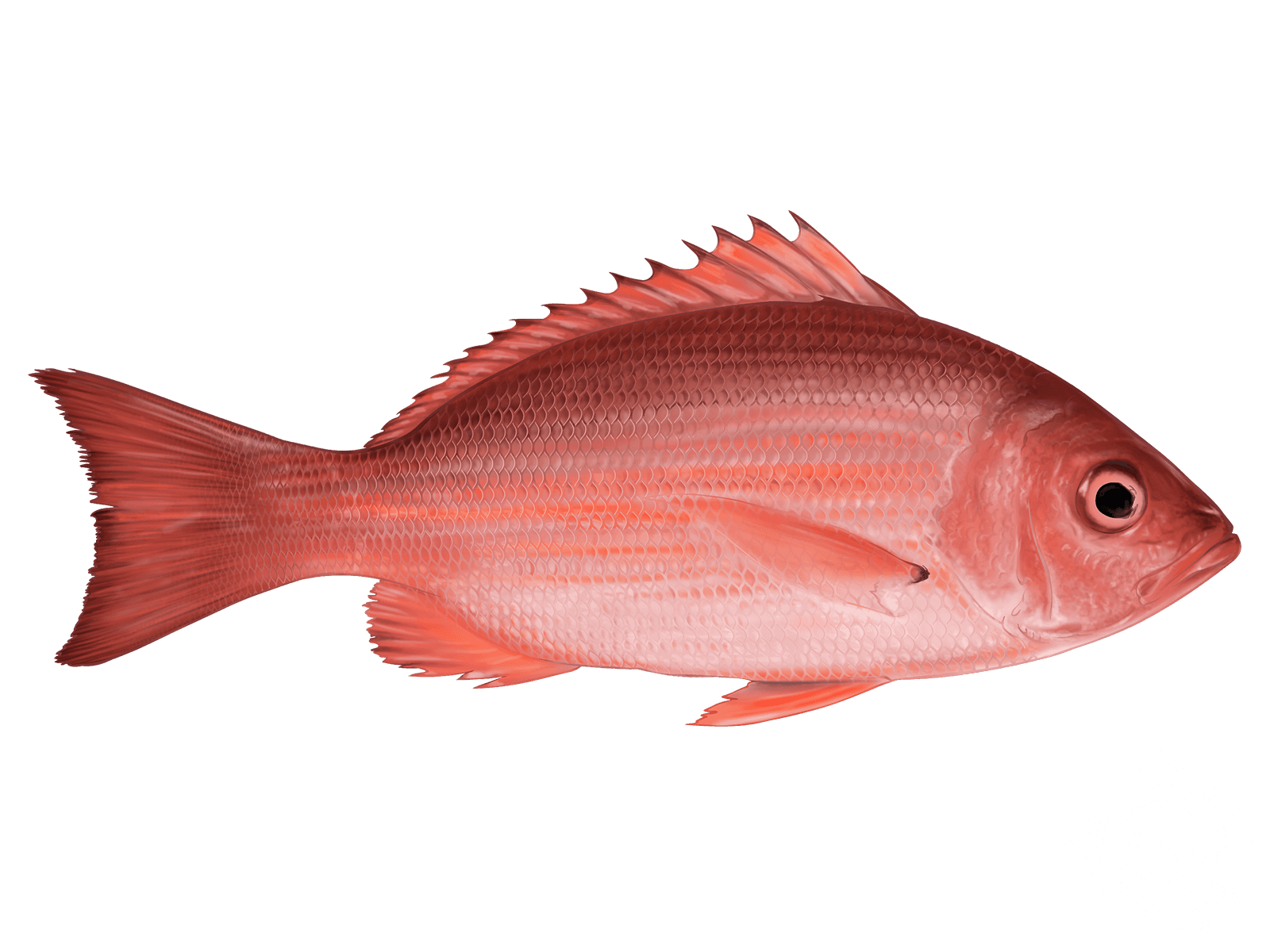
Gag Grouper Overview
The Gag Grouper (Mycteroperca Microlepis) is a member of the Serranidae family within the order Perciformes, representing one of the Atlantic's most sought-after yet cunningly elusive game fish. While some describe this species as appearing somewhat drab compared to its flashier cousins, seasoned anglers know better—the Gag Grouper's mottled grey coloration and powerful build make it a formidable adversary. What truly sets this fish apart is its remarkable biology: all Gag Groupers start life as females, with some transitioning to males as they mature, a phenomenon known as sequential hermaphroditism. This fascinating adaptation, combined with its preference for rocky hideaways and aggressive feeding behavior, makes the Gag Grouper a cornerstone species for coastal fishing communities from Florida to the Carolinas.
Gag Grouper Habitat and Distribution
Gag Groupers thrive in coastal and offshore waters where structure abounds. Young fish prefer staying inshore within shallow seabeds and shoals, using these nursery grounds to grow and develop until sexual maturity arrives around 5 to 6 years of age. Adult Gag Groupers migrate to deeper offshore territories, favoring rocky bottoms, natural reefs, shipwrecks, and dramatic drop-off walls where they can establish hunting grounds and find refuge from larger predators. The species shows a strong affinity for any rocky structure that provides shelter—from stone crab traps to artificial reefs. Throughout their range along the Atlantic coast, you'll find them accompanying other game fish species like Kingfish, Spanish Mackerel, Blacktip Sharks, and Spinner Sharks, often congregating where herring schools swarm near the beach during seasonal movements.
Gag Grouper Size and Weight
An average Gag Grouper typically measures around 24 inches in length, making for a respectable catch on most recreational tackle. However, these fish possess impressive growth potential when given time and favorable conditions. Specimens regularly reach 40 to 50 inches, with the maximum recorded length stretching to 57 inches and weighing as much as 50 pounds or more. Some exceptional individuals have been documented at 145 centimeters (57 inches) with weights reaching 36.5 kilograms (approximately 80 pounds). Given their slow growth rate—requiring 5 to 6 years just to reach sexual maturity—these larger specimens represent fish that may be 15 to 30 years old, underscoring the importance of selective harvest and catch-and-release practices to maintain healthy populations.
Gag Grouper Diet and Behavior
Gag Groupers are opportunistic carnivores with a well-developed hunting instinct and a strong preference for crustaceans, particularly crab and shrimp. Younger fish eagerly consume small crustaceans and baitfish as they encounter them in their shallow-water nurseries, while larger adults expand their diet to include a variety of fish species, squid, and octopus. Their feeding behavior is aggressive and decisive—once a Gag Grouper commits to striking prey, it employs a powerful suction feeding mechanism to engulf its meal before retreating to the safety of nearby rocky structures. These fish are most active during periods of reduced light and moderate current when their prey is also most active. They exhibit strong site fidelity, meaning individual fish often establish territories around particular reefs or structures and remain there for extended periods, making repeated visits to the same location an effective strategy for anglers.
Gag Grouper Spawning and Seasonal Activity
Gag Groupers exhibit seasonal reproductive behavior tied to water temperature and photoperiod changes. Spawning typically occurs during the warmer months, with peak activity in late spring through summer when coastal waters reach optimal temperatures. The species' unique sequential hermaphroditism means that as populations age and larger females transition to males, the breeding dynamics shift accordingly. Young Gag Groupers spend their early years (0 to 5-6 years) in shallow nursery habitats before recruiting to deeper offshore populations once they reach sexual maturity. Environmental stressors, particularly red tide events, can heavily suppress recruitment and survival of juveniles, causing population fluctuations that impact fishing success in subsequent years. Seasonal variations in current patterns, water clarity, and baitfish availability all influence Gag Grouper activity levels and catchability throughout the year.
Gag Grouper Techniques for Observation and Capture
Bottom Fishing with Live Bait: The most productive method for targeting Gag Groupers involves positioning your boat over rocky structure, reefs, or shipwrecks in 30 to 80 feet of water. Deploy live mullet or pinfish on a circle hook—Florida regulations require circle hooks for bottom fishing—rigged on 20 to 40-pound line with a standard rod and reel combo. Lower your bait to the bottom or suspend it slightly above structure where Gag Groupers patrol. When you feel the strike, set the hook firmly and maintain constant pressure; these fish will immediately attempt to dive back into rocky crevices. Keep your rod low and maintain a locked reel to prevent them from reaching the safety of their rocky fortresses. The key is assertiveness—hesitation allows them to wrap your line or bury themselves in structure.
Cut Bait and Alternative Presentations: When live bait is unavailable or impractical, cut bait produces excellent results. Squid, octopus, crab pieces, and mackerel chunks all attract hungry Gag Groupers. Present these offerings on the same circle-hook rigs, allowing them to sink to the bottom where groupers actively hunt. This method works especially well around stone crab traps and artificial reef structures where natural prey concentration is highest. Cigar Minnows, Pilchards, and Grunts also attract strikes when presented either live or as chum.
Localized Tip—Florida Gulf Coast: Around the Florida Gulf Coast, particularly near offshore structures and natural reefs from the Panhandle through Southwest Florida, Gag Grouper fishing peaks during spring and fall months. Fish early morning hours on incoming or slack tides, as these conditions concentrate baitfish and increase predator feeding activity. The Gag Grouper's aggressive nature means it often strikes hard and decisively; maintain unwavering pressure immediately upon hookset to prevent it from reaching shelter.
Gag Grouper Culinary and Utilization Notes
Gag Grouper is considered excellent table fare, prized for its firm, white flesh and mild, delicate flavor. The meat holds together well during cooking and suits virtually any preparation method—grilling, baking, pan-searing, or blackening all highlight its culinary appeal. A 40-pound Gag Grouper yields substantial fillets perfect for family meals or entertaining. Nutritionally, the flesh is lean and high in protein while offering beneficial omega-3 fatty acids. From a sustainability perspective, recreational anglers should practice selective harvest, retaining fish within legal size ranges while releasing oversized specimens and females (when sex can be visually determined) to maintain breeding stock and population stability. Check local regulations, as many regions implement slot limits, seasonal closures, or size restrictions specifically designed to protect Gag Grouper populations from overfishing.
Gag Grouper Frequently Asked Questions
Q: What is the best bait for catching Gag Grouper?
A: Live mullet and pinfish are the top choices, but Gag Groupers also respond exceptionally well to cut squid, octopus, live crabs, and mackerel. The key is using enough bait to create scent dispersal in the water column. Circle hooks are mandatory in many regions and improve hookup rates significantly.
Q: Where can I find Gag Grouper near Florida?
A: Gag Groupers are abundant throughout Florida's offshore and nearshore zones, particularly around natural reefs, shipwrecks, rocky outcrops, and artificial structures. The Gulf Coast from the Panhandle through Southwest Florida, as well as the Atlantic side off the central and southern coast, all hold healthy populations. Check with local charter services for current hotspots and seasonal patterns.
Q: Is Gag Grouper good to eat?
A: Absolutely. Gag Grouper ranks among the finest eating fish available to anglers, with tender, mild white flesh that works beautifully in any recipe. The firm texture holds up to various cooking methods, making it versatile for both simple preparations and elaborate dishes.
Q: When is the best time to catch Gag Grouper?
A: Spring through early fall offers peak fishing opportunities, with summer months typically producing the most consistent action. Fish early morning hours and during slack or incoming tides when baitfish and grouper feeding activity peak. Avoid red tide periods, as these events depress feeding behavior and water conditions.
Q: What equipment do I need to fish for Gag Grouper?
A: A standard medium to medium-heavy rod with 20 to 40-pound monofilament or braided line works well. Circle hooks are required in many regions. Use a sinker heavy enough to maintain bottom contact in current, and ensure your reel's drag is properly set to absorb the powerful runs these fish produce.
Q: Why are Gag Groupers harder to catch than other grouper species?
A: Gag Groupers possess an almost supernatural ability to wedge themselves into rock crevices and structure immediately upon hookset. Their instinct is to retreat to safety rather than power-run like many game fish. Success requires immediate, aggressive rod pressure and a willingness to muscle the fish away from cover—a technique that demands strength, technique, and the right equipment.